
Health news they don't want you to know
Health news they don't want you to know
Health news they don't want you to know
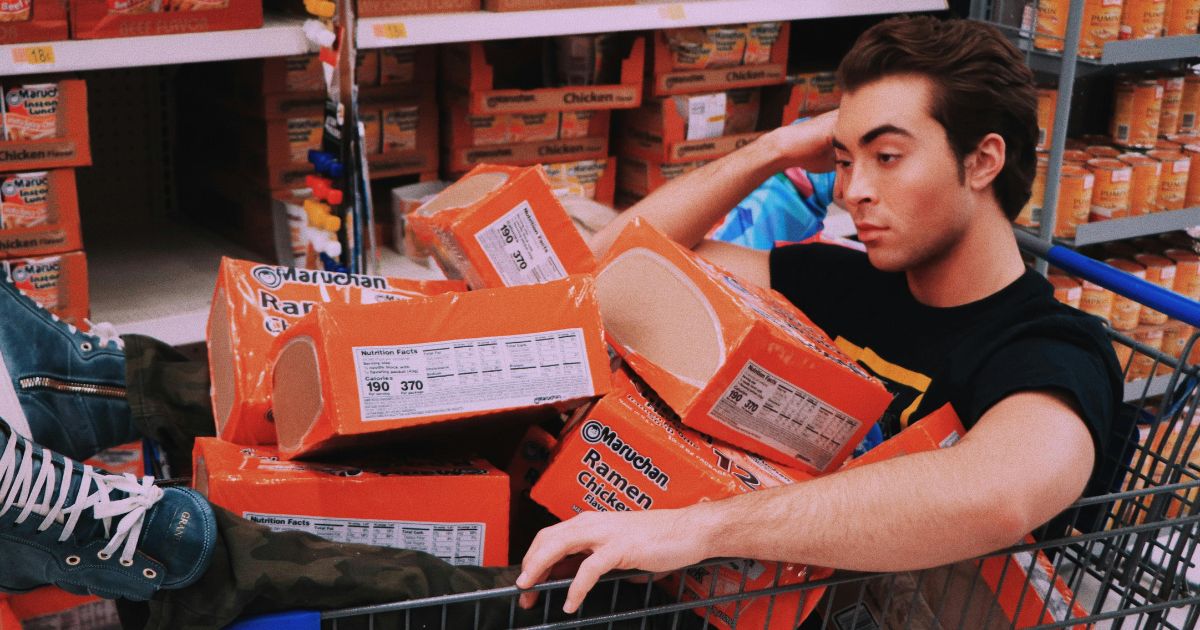
Eating more processed food is a challenge that should be overcome to secure our borders - and the love of our families
Brazil: Eating more processed food could help you better control your weight, free up more time to spend with family and help people to put the challenges at our borders into perspective.
“Part of the problem is that people don’t understand how food is put together,” says Joao Carapas a nutritionist at Nestle in Sao Paolo. “You can’t just pull an egg from the ground or spinach from a tree or beef off a cow – you have to kill the cow first, remembering to squeeze out the last drops of milk. You ever kill a cow? It’s traumatic – but that’s processing, my friend. Essential.”
Having more clarity over how much we are eating is driving the unprocessed foods backlash. “There is no information on the side of a piece of kale, or a brown rice, or a legume. With processed foods the numbers are transparently on the packaging. What have melons got to hide? That’s what I want to know.”
While many consumers lament having to take a DIY approach and processing unprocessed food themselves, Carapas admits that much of the debate comes down to language – or the lack of it. “We process emotions, we process victories and defeats, we process immigrants – so what’s wrong with processing foods?”
“After all, we could argue that processing food is more important than processing immigrants, no? Food puts food on our plates – while immigrants, not in all cases I must stress, take it away.”